Posts

Showing posts with the label drone motor

What an Octocopter Is and Why You Need One

Image
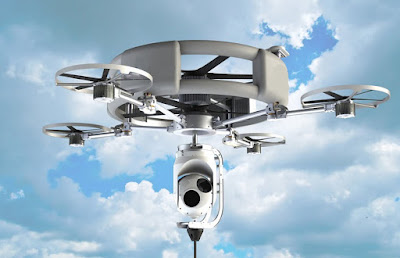
If there’s a hierarchy of drones, the octocopter is at the top. That is not to say that the eight-rotor octocopter is therefore the most prudent and practical choice for every unmanned aerial vehicle (UAV) hobbyist, but it is certainly the most. As in, it has the most thrust from the most propellers, often on the most booms; the most mass; the most carrying capacity; the most powerful drone motor , etc. Whether or not an octocopter is a prudent and practical choice for you depends on several factors. Among those is whether you are a hobbyist or plan to use the drone professionally. Every drone represents an investment of time, money, and energy, and that is particularly true of octocopters. So before you spring for or build an octocopter, there are some considerations to keep in mind. Why Octocopters for Hobbyists? The short answer: An octocopter is the ultimate UAV experience. With double the rotor power of the average hobbyist drone, octocopters are considerably ...

The Challenges of Delivery Drones and What that Means for Hobbyists

Image
With massive corporations like Amazon, Wal-Mart, eBay, Domino’s, UPS, and Google staking huge sums of money on drone delivery, a future with drone delivery is a virtual inevitability. The challenges of drone delivery, however, make what that future is going to look like for both corporate and hobbyist drone users less certain. Those challenges can be broken down into three broad categories: natural, man-made, and technological limitations. Natural Something as basic as a thunderstorm presents a number of hypothetical logistical issues. How well would drones fare when buffeted by wind and sheets of water? Would an electrical storm interfere with the communication or guidance systems? And if the drone, the drone motor , its electronics, and the package were all engineered to be weatherproof, how well would those deliveries stand up to consumer expectations? Would customers trust a delivery of electronics (or takeout) that would be flown through a gale? Birds ha...

The United States Federal Regulations Surrounding Drone Ownership

Image
Gone are the days of free, unrestricted drone flying in the U.S. Since 2016, the Federal Aviation Administration (FAA) has been rolling out regulations and restrictions that maintain safety in the airspace above us. You must adhere to these restrictions whether you fly for fun or for your livelihood. In addition to these restrictions, you should also respect your fellow flight enthusiasts and those around you. One way to do this is to spring for a quieter drone motor . It’s also a good practice to check the skies before you fly so you’re aware of any other drones already in the airspace. If you fly for fun Flying for recreation has a different set of guidelines than commercial drone flying. You will need to register your drone aircraft with the FAA. Registration costs $5 and is valid for a period of three years. In addition to registering your drone, as a hobby flyer, you’ll have to keep your drone at or below 400 feet and in your line of sight. Your drone must ...